

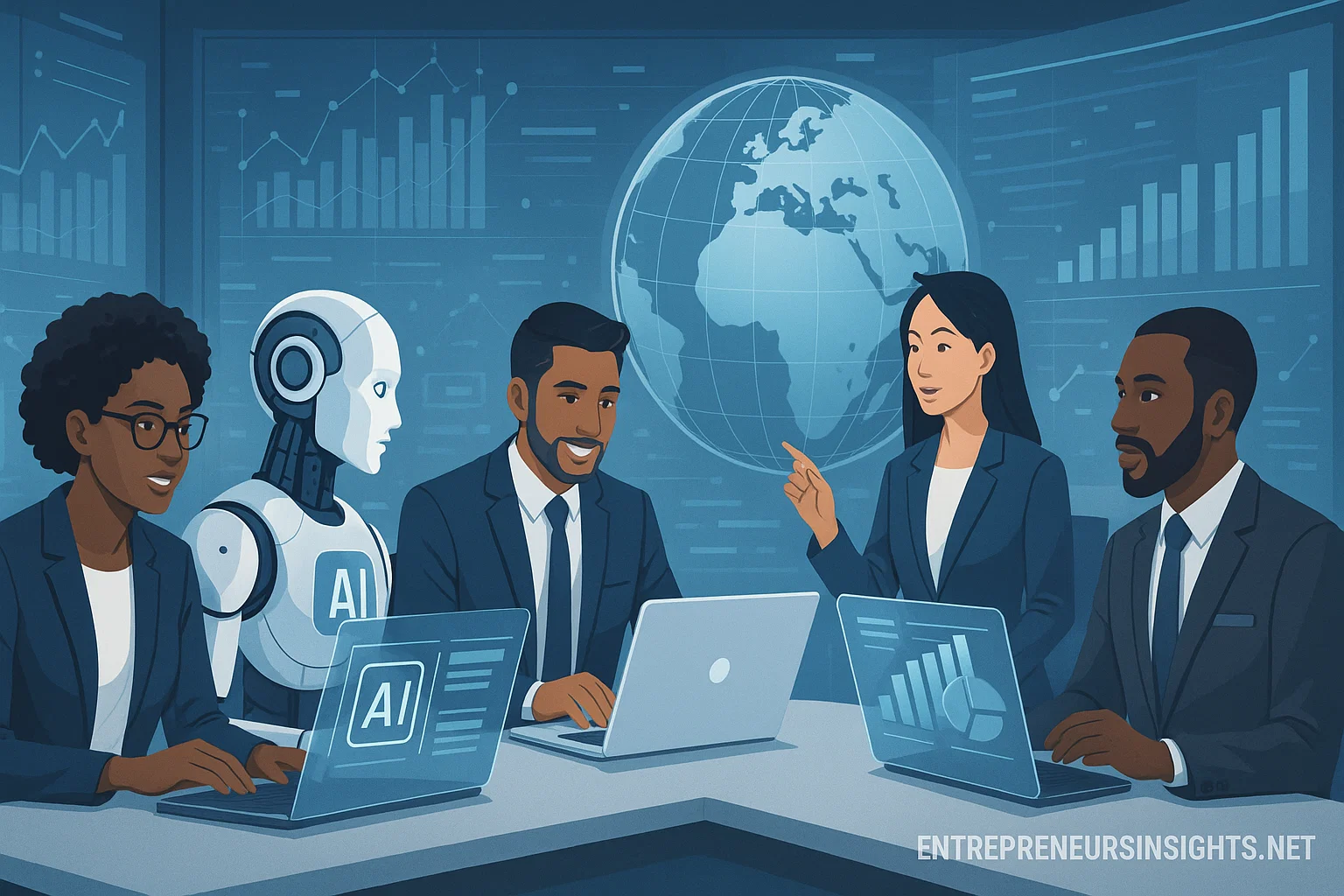
A path to becoming an entrepreneur will never be straight. This journey will be filled with many unexpected twists and turns as well as tough lessons. I learned from years of experience that staying on top doesn’t only require a good idea. You also need to understand the changes and position your sails so you can catch the breeze. The business landscape is changing again as we approach 2026. The business world is changing as new technologies mature, consumer behaviour changes, and even the definition of running a company itself has changed. It’s not the time to rely on old maps. This is a moment for fresh insights.
The article below is meant to serve as your guide for the coming year. This article will examine the key trends and strategic changes that all business owners, whether they are seasoned veterans or aspiring entrepreneurs, need to know. You’ve probably heard generic advice a hundred times. Our team will dive deep into the actionable intelligence you need to not only survive but also thrive. The practical applications of AI will be covered, as well as the realities of funding and the value of authenticity in the digital age. The seven foundational insights you’ll need to build a successful, resilient and innovative venture by 2026 are outlined in this article.
Entrepreneurship in the New Age: A Mindset Shift
During the past decades, starting your own business was considered a risky venture and a career that only the brave or foolish could pursue. It was the traditional path to get a job that would guarantee a steady income and then climb up corporate ladders. This perception is no longer true. Entrepreneurship is not an alternative in 2026; it will be the main aspiration for most. Digital tools, knowledge that is easily accessible, and cultural changes that encourage innovation and autonomy have all helped to lower the barriers of entry. It creates a competitive environment, but one that is also brimming over with opportunities. You’re now entering an area that has become mainstream. You must have a sharper, unique selling proposition than ever, and you must execute flawlessly.
1. Risky Bets to Mainstream Ambition
Small and medium-sized enterprises (SMBs) are increasingly driving the modern economy. It’s not just a statistic, but a change in the way we think about work and success. Recent QuickBooks research revealed that more than half of Americans plan to start a small business by 2026. The desire for autonomy, flexibility, and to be able to create something on their own is strong. In this entrepreneurial boom, you are not only competing against other businesses, but also for attention, talent and capital. You can’t simply have an excellent product to stand out. A compelling story is needed, as well as a community and purpose which resonate with customers and employees. Businesses that are embracing this mindset of constant innovation and agility will be the ones that succeed. The safe job is a thing of the past.
Artificial Intelligence and Automation (AI): Your new co-founder
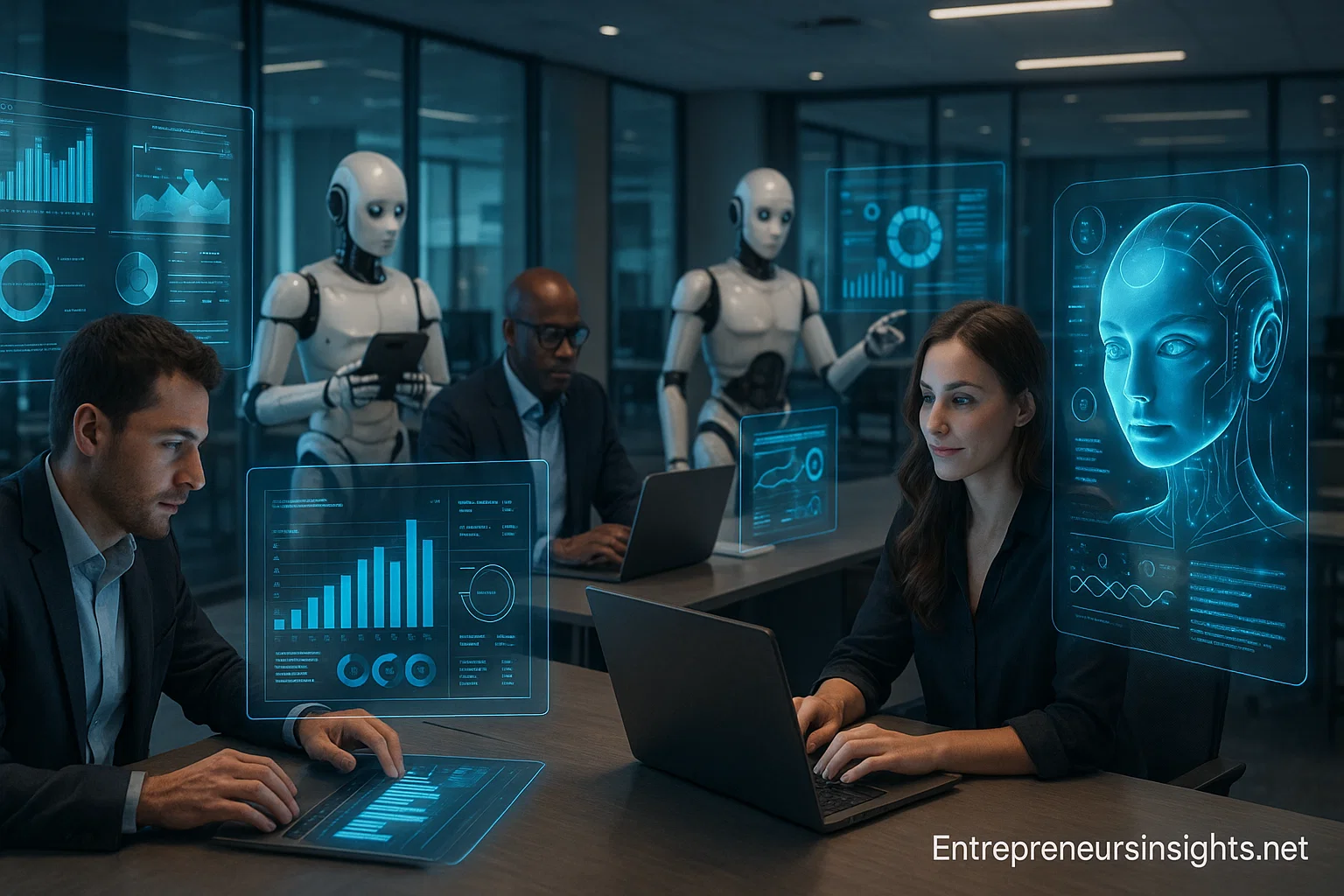
Artificial intelligence is no longer confined to science fiction. It has become a useful tool that entrepreneurs can use. You’re falling behind if you don’t think about integrating AI into your business. In 2026, the true power of AI is not just automating tasks that are repetitive; it’s also about enhancing your strategic capabilities. AI is a powerful force multiplier. It can do everything from analysing market data to personalising experiences for customers. This allows smaller teams to compete against large corporations by balancing the field on efficiency and insights. The co-founder is the one who never sleeps and works to maximise your business.
2. AI: A strategic partner beyond automation
AI is not a substitute for the human mind, but a tool that can enhance it. A small brand could use AI to automatically create personalised product suggestions based on the browsing habits of customers, which was once a feature reserved only for Amazon. AI has helped me to generate content ideas, create initial social media campaigns and analyse competitors’ pricing strategies. All of this was done in fractions of the time that it would take manually. It’s important to think strategically. Adopt AI only if it’s necessary. Find an AI solution to address the pain points in your company, whether it’s marketing, customer support, or operations. The AI becomes a key component in your business growth, allowing you to focus your time on strategy and human relations.
It’s not just Venture Capital!
It’s no longer enough to rely on just a presentation deck and pray for venture capital. In 2026, the funding landscape will be more demanding and diverse than ever. While VC financing is still available for high-growth technology startups, a wider range of funding sources is now viable and more popular. The smartest entrepreneurs are looking for alternative financing options, such as revenue-based funding, grants to small businesses, crowdfunding and strategic debt, in order to fund their business growth. The financial strategies must be more complex to accommodate this shift.
3. Diversifying your capital stack for resilient growth
A single funding source is not a sustainable strategy. Smart entrepreneurs will build a capital stack in 2026 with several layers of funding. You might, for example, use a grant from a small company to create your Minimum Viable Product (MVP), leverage a credit line to manage cash flow and inventory, and then pursue an investment round to scale up. This approach will make your business stronger and more resistant to downturns in the economy. It also gives you greater negotiating power. Forbes and QuickBooks data show that while access to capital is still a priority for entrepreneurs, they are turning more to alternative business models. The rise of “side hustles” is one of the biggest trends. Some entrepreneurs are choosing to launch their business while still working another job, and using the income from that other job as a source of funding for the first stages. The cautious and strategic funding approach minimises the risk, allowing for a more sustainable, controlled growth.
Digital First Customer Experience
The idea of online shopping is not new. However, expectations for an intuitive, personalised digital experience have reached new heights. It’s no longer a simple digital brochure. Your website has become your main storefront, customer service centre, and living room for your brand. A slow social media response or an unreliable website will be the same as a shop with rude employees and a damaged door in 2026. From the initial point of contact through to after-sales support, customers must have a frictionless journey.
4. Hyper-Personalisation and the Seamless Digital Journey
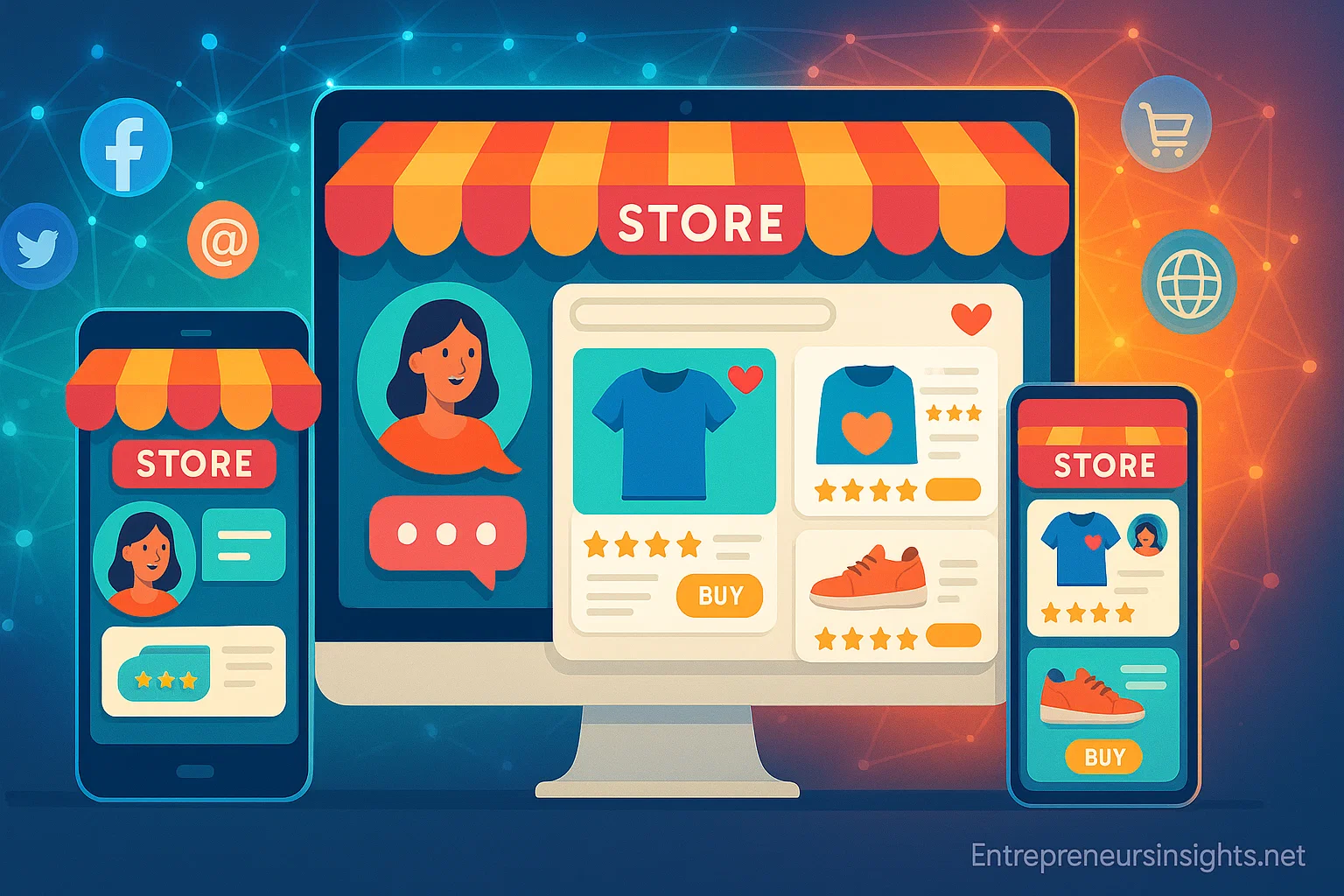
Consumers today don’t buy just products; they also buy experiences. You are expected to be aware of their preferences and needs. Data and technology are your friends in this situation. Intuit QuickBooks conducted a survey that revealed 57% of small business owners believed social media had the greatest power to drive growth. It’s not just about sharing content. You need to engage in conversation, use data to understand your audience better and create a brand community. Businesses also place a high priority on the growth of ecommerce. It means investing in an online sales platform that is robust, optimising the site for mobile and using CRM tools to track and personalise communications. It is important to treat every client as if they were your only one.
The Great Unbundling: Agile Teams
It is becoming increasingly obsolete to have a traditional office model that runs from 9-5. Remote work and the rise of gig economies have enabled entrepreneurs to create flexible teams of highly-skilled individuals without having the overhead costs of an extensive, full-time staff. The “unbundling of work” allows entrepreneurs to access a large talent pool from around the world and hire specialists as required. Hire a top-notch marketer to run a campaign for three months, or a finance expert for an annual review. Or, hire a web designer for specific website upgrades. The agility of this approach is an enormous competitive advantage.
5. Specialised talent can benefit from the gig economy
By 2026, your team will not be defined by the people on your payroll, but rather by those who are contributing to your mission. Upwork, Fiverr and Toptal are platforms that make it easy to hire freelancers around the globe. The distributed teams of contractors I used to build entire projects allowed me access to specialised skills which would not have been affordable in the traditional hiring model. A different type of leadership is required for this approach. Project management is a must; communication needs to be clear and intentional, and building a culture of cohesion with remote teams requires conscious effort. The benefits of this are enormous. Reduced fixed costs and increased operational flexibility are all benefits. You can also build the “dream team” you need at any time.
Sustainable and authentic: New brand currencies
Modern consumers, Millennials, and Gen Z in particular, make more purchasing decisions based on a brand’s values. Businesses that have a social conscience, are transparent, and practice environmental responsibility will be supported by Millennials, Gen Z, and other modern consumers. It is not enough to have a generic mission that says “make the world better”. From your supply chain down to your marketing message, your commitment to authenticity and sustainability must permeate your entire business. It’s not only a moral obligation, but also a way to differentiate yourself from your competitors.
6. Building a brand that stands for something
The antidote for a saturated marketplace is authenticity. Customers are attracted to brands with a sense of authenticity and a purpose when they’re bombarded by thousands of advertising messages every day. Transparency about products and business practices is key. You should also be willing to speak out on important issues for your community. Clothing brands might gain a following by being transparent and using recycled materials in their manufacturing. Coffee shops could distinguish themselves by buying beans from farms that are fair-trade and investing part of their profits in those communities. The approach creates a connection that is more than a transaction. This approach turns customers into brand advocates and creates a resilient brand.
The Global Landscape is Volatile: How to Navigate it.
The world has become more interconnected, but also unpredictable. Global tensions, shifts in trade policies, and disruptions to supply chains are not abstract ideas; they can have a real impact on even the smallest businesses. In 2026, an entrepreneur must be both a global observer and able to anticipate these risks. It is impossible to ignore them.
7. Geopolitical agility and supply chain resilience
Supply chains are fragile. The US-China Trade War, the conflicts in Europe and the ongoing shipping issues have all taught us this hard lesson. In 2026, a smart entrepreneur will actively work to improve their resilience. It could involve:
- Find alternative suppliers: Don’t rely on one supplier from a country. Instead, look for alternatives in other regions.
- Onshoring or Nearshoring? Consider moving some of your production nearer to the end-market to save on shipping costs and reduce tariffs.
- Inventory Investment: Lean inventory management can save lives, but holding a little more of the critical parts in “safety” stock is a good idea.
Harvard Business School experts state that in 2026, trade will be “transactional” and unpredictable. You need to be aware of potential regulations, tariffs and global relations which could impact your cost and access to the market. It is not only a good idea for big corporations to have a resilient and flexible supply chain. This is also a vital survival skill for all entrepreneurs.
What is Your Plan for 2026?
Entrepreneurship is not a race, but a marathon. These insights aren’t just passing trends, but rather fundamental changes in the landscape of business. The new rules of success include embracing AI as a partner in your business, diversifying funding, creating an authentic brand and being prepared for global volatility.
In the coming year, there will be both great challenges and opportunities. You can successfully navigate today’s complex market by understanding and acting upon these insights. Never lose focus on the problem that you are trying to solve. This is the secret of building a lasting business.
